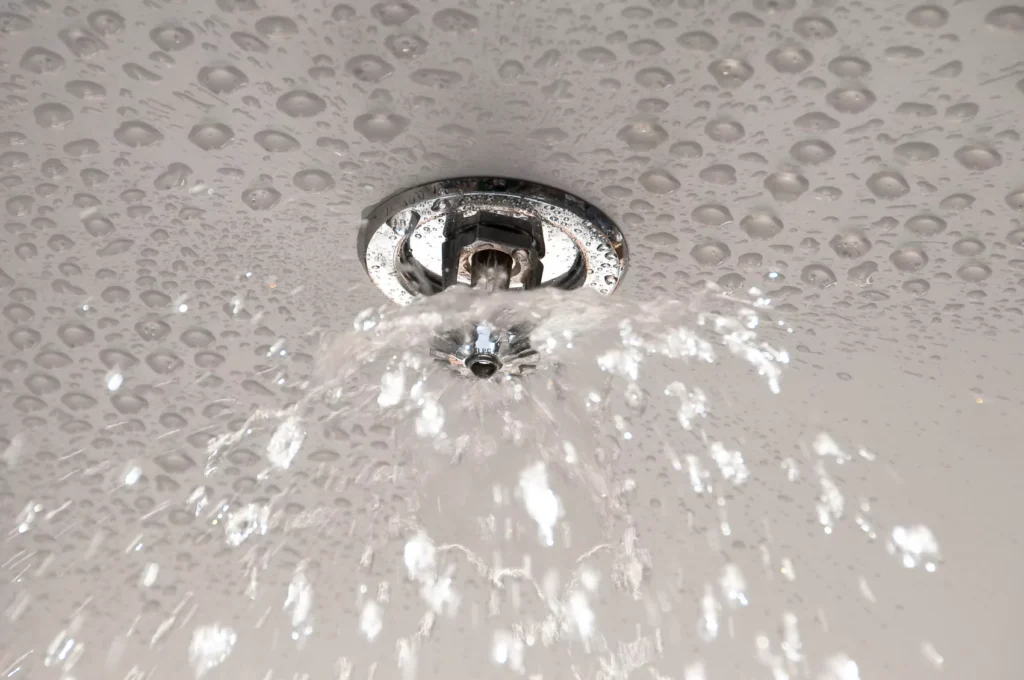
How Fire Sprinklers Work
Activation of fire sprinkler systems is driven by precision engineering. Unlike common misconceptions, sprinklers do not respond to smoke; instead, they are activated by heat. When the surrounding temperature reaches a specific threshold, the sprinklers release water to combat the flames.
This targeted activation ensures that only the sprinkler heads closest to the fire are triggered, reducing unnecessary water damage to unaffected areas of the property.
Immediate response of fire sprinklers is another key feature. Water is discharged at the source of the flames, suppressing the fire before it has a chance to spread further. This proactive mechanism is crucial in containing fire incidents and limiting overall destruction.
Key Benefits of Fire Sprinklers
Fire sprinkler systems provide a host of benefits that go beyond merely extinguishing flames. By containing fires at their origin, they prevent the spread of flames to other parts of the property, thereby minimizing widespread destruction. This containment also limits structural damage to walls, ceilings, and foundations, preserving the integrity of the building.
Beyond structural preservation, fire sprinklers protect valuable assets such as inventory, essential documents, and electronic equipment, safeguarding items that are often irreplaceable. Another notable advantage is the potential for reduced insurance costs, as many insurers offer discounts to properties equipped with fire sprinkler systems.
Additionally, fire sprinklers complement firefighter efforts by slowing the progression of fires, making suppression and rescue operations more manageable.
Supporting Data & Fire Sprinkler Effectiveness
Statistics from the National Fire Protection Association (NFPA) underscore the effectiveness of fire sprinkler systems. Buildings equipped with these systems experience 60% less property damage compared to those without.
Furthermore, in 96% of cases where sprinklers were activated, fires were controlled before firefighters even arrived. These figures highlight the reliability and efficiency of sprinkler systems as a cornerstone of fire protection.
Choosing the Right Fire Sprinkler System
Selecting an appropriate fire sprinkler system depends on the specific needs of a property:
- Wet pipe systems: Continuously filled with water, these systems are ideal for standard commercial
- Dry pipe systems: Designed for environments susceptible to freezing temperatures, these systems store water in a separate location until needed.
- Pre-action systems: Employing a two-step activation process, these systems are perfect for settings like data centers and museums where accidental activation could be costly.
- Deluge systems: Capable of releasing large volumes of water rapidly, these systems are best suited for hazardous environments requiring immediate and extensive suppression.
We’re here for your fire sprinkler replacement, fire sprinkler repair, and fire sprinkler installation needs.
Your Safety Comes First
Choose dependable fire protection services from Kauffman
Why Choose Kauffman Co.?
Fire sprinkler systems are indispensable for protecting both homes and businesses from the devastating impact of fires. For those in the Greater Houston area, Kauffman Co. offers unparalleled expertise in fire protection.
Our trusted services, ranging from fire sprinkler installation to emergency fire protection, ensure that properties are equipped with robust defenses. Property owners are encouraged to assess their fire protection needs to secure their assets and safeguard lives.
Contact Kauffman Co. today for expert fire sprinkler installation, fire suppression system services, and comprehensive emergency fire protection.
What types of commercial buildings does Kauffman Co. service?
Kauffman Co. provides fire protection services for a wide range of commercial and industrial facilities, including office buildings, warehouses, retail centers, manufacturing plants, medical facilities, schools, data centers, restaurants, and multi-use properties. We work directly with developers, construction managers, building owners, and facility managers across Texas.
How often should commercial fire protection systems be inspected in Texas?
NFPA standards require most commercial fire protection systems to be inspected on a monthly, quarterly, semiannual, and annual schedule depending on the system type. Local AHJ requirements may mandate additional inspections. Kauffman Co. performs all required NFPA- and AHJ-compliant inspection, testing, and maintenance (ITM) to keep your facility in compliance.
Can Kauffman Co. provide both design and installation for new construction projects?
Yes. Kauffman Co. offers full design-build services, including system engineering, submittals, BIM coordination, and professional installation for new commercial construction projects. Our team ensures your fire protection system is designed to meet project specifications, NFPA standards, and local code requirements.
Do you offer emergency fire protection repairs and troubleshooting?
Yes. Kauffman Co. provides 24/7 emergency fire protection services for system failures, alarms, leaks, and other urgent issues. Our technicians can identify the cause, make on-site repairs, and help restore your system to safe operating condition.
What fire codes and standards do your services follow?
Kauffman Co. follows all applicable NFPA codes, Texas fire safety requirements, and local AHJ guidelines. Our work aligns with standards for fire sprinklers, fire suppression systems, fire alarms, portable extinguishers, and the mandated inspection/testing schedules required for commercial compliance.