
Commercial fire sprinkler systems aren’t one-size-fits-all. A hotel with occupied guest rooms overnight has different code requirements than a warehouse storing flammable materials. A data center where water damage is nearly as costly as the fire itself calls for a different approach than an open manufacturing floor. The right system depends on your building’s occupancy type, square footage, hazard classification, and how Texas fire code applies to your specific use.
Kauffman Co. covers the full scope of fire sprinkler system service for commercial properties across the Greater Houston area:
From the initial consultation to every compliance visit down the road, we manage every step. One contractor. One invoice. No runaround.
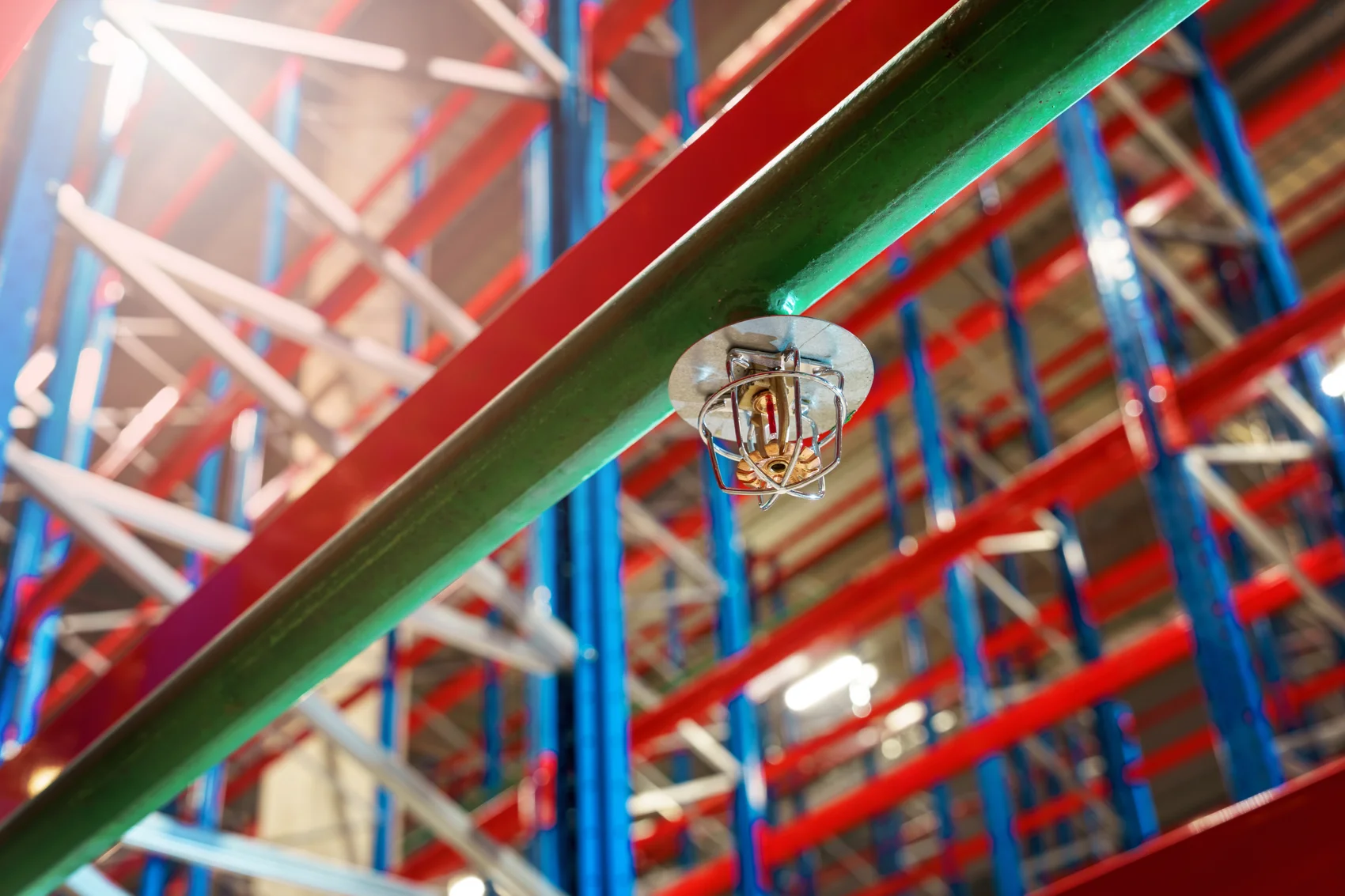
Whether you’re breaking ground on new construction, bringing an existing system up to code, or dealing with a repair that can’t wait, our licensed team handles it all.
Every compliant sprinkler system starts with a design that reflects the building: occupancy type, square footage, hazard classification, ceiling height, and applicable code requirements. We design for new construction, tenant buildouts, renovations, expansions, and special hazard applications. Get the design right, and you avoid the repairs that often follow a bad one.
Learn more: Fire Sprinkler System Design
We install wet pipe, dry pipe, pre-action, and deluge systems for commercial and industrial facilities across the Greater Houston area. Licensed technicians handle every installation. Once the system is in, we stay on as your service partner for inspections, testing, and repairs. You won’t be handed off to a crew that’s never seen your building.
Learn more: Commercial Fire Sprinkler Installation
Texas fire code requires periodic inspection and testing of fire sprinkler systems under NFPA 25 standards. Our licensed inspectors conduct thorough inspections on the required schedule, test every component, and deliver the documentation your fire marshal and insurance carrier expect. If something fails, we correct it before we leave.
Learn more: Fire Sprinkler Inspection & Testing
Leaks, damaged heads, valve failures, corrosion, pressure drops, freeze damage. Fire sprinkler repairs run the full range. Our technicians manage both emergency and scheduled repairs for commercial systems throughout the Greater Houston area. Because we’re often the team that installed and inspected the system, diagnosing the problem takes less time than it would for a contractor starting from scratch.
Learn more: Fire Sprinkler Repair
Keeping a fire sprinkler system compliant between inspections involves more than showing up once a year. We provide ongoing maintenance services including waterflow monitoring, integrated with alarm systems to alert the panel when a sprinkler head activates. We also offer winterization checks for facilities at risk during freeze events. Houston’s winters are mild until they aren’t, and a frozen pipe in an unheated space is a repair that costs more than the prevention.
Learn more: Waterflow Monitoring
Learn more: Winterization
Before we put a number together, we assess your building’s occupancy type, code requirements, installation scope, and current material costs. The result is an estimate built on what your building needs. Not a ballpark that grows once the job starts.
Learn more: Fire Sprinkler Estimates
Kauffman Co. is a licensed, family-owned fire protection contractor serving the Greater Houston area since 2006. We work with building owners, property managers, facility teams, and construction crews who need a sprinkler contractor they can count on.
Call us at (713) 937-4144 or contact us online to schedule service.
The system type that belongs in your building depends on what you’re protecting, how the space is used, and what the applicable fire code requires.
Wet pipe systems are the most common commercial fire sprinkler configuration, and for good reason. The pipes are always charged with water, so when a sprinkler head activates, water discharges immediately. No delay. They’re reliable, relatively simple to maintain, and well-suited to climate-controlled commercial spaces, like office buildings, retail, hotels, multifamily properties, and most general occupancy buildings.
In a dry pipe system, the pipes hold pressurized air or nitrogen rather than water. When a head activates, the air releases and water flows in. The delay is a tradeoff worth making in spaces that can’t maintain temperatures above freezing: unheated warehouses, parking structures, loading docks, and similar environments where a wet pipe system would freeze and fail
Pre-action systems require two separate events before water discharges: a detection device has to trigger first, then the sprinkler head has to activate. That two-step process makes accidental discharge nearly impossible, which is why these systems are specified for data centers, archives, museums, and other spaces where water damage rivals fire damage as a threat.
Deluge systems keep all sprinkler heads open at all times. When the system activates, water discharges simultaneously across the entire protected area. They’re built for high-hazard environments where a fire can spread faster than a standard system can respond: aircraft hangars, industrial chemical facilities, and similar applications. These aren’t common in standard commercial buildings, but in the right environment, they’re the correct answer.

Texas fire code requires the inspection and testing of fire sprinkler systems on a schedule set by NFPA 25. For most commercial systems, that means a quarterly visual inspection, an annual inspection and test, and comprehensive testing at five- and ten-year intervals depending on system components.
After every visit, you get a complete inspection report that documents findings and any corrective actions. Your fire marshal and insurance carrier both expect this paperwork. We make sure it’s ready when they ask for it.
When a fire sprinkler system fails an inspection or needs emergency repair, you need a contractor who answers the phone and responds quickly. Kauffman Co. is available 24/7 for emergency service across the Greater Houston area. Our technicians carry parts for the most common commercial systems. Because we manage the full lifecycle, from design through repair, we already know the systems we service.
Kauffman Co. is your single point of contact for complete fire sprinkler system service.
Call (713) 937-4144 or contact us online.
The four main types are wet pipe, dry pipe, pre-action, and deluge. Wet pipe is the most common. Pipes stay charged with water and discharge immediately when a head activates. Dry pipe uses pressurized air instead of water and are suited for spaces that can’t be kept above freezing. Pre-action requires two triggers before water flows, which protects spaces where accidental discharge is a serious concern. Deluge opens all heads at the same time and is used in high-hazard industrial applications.
Most commercial systems require quarterly visual inspections, a full annual inspection and test, and more comprehensive testing at five-and ten-year intervals under NFPA 25. The exact schedule depends on system type and components. Kauffman Co. tracks service schedules for our clients and provides documentation after every visit.
A compliant inspection under NFPA 25 covers sprinkler heads, control valves, waterflow devices, alarm components, pipe condition, water supply pressure, backflow prevention, and fire pump operation where applicable. Every visit produces a written report your fire marshal and insurance carrier will ask to see.
A head gets replaced when it shows corrosion, physical damage, paint overspray, or fails during testing. Replacement heads must match the original specifications – temperature rating, K-factor, and orientation – to maintain system performance and code compliance.
Texas follows the International Building Code, which requires sprinkler systems in high-rise buildings, certain occupancy types (hotels, assembly spaces, care facilities), and buildings undergoing significant renovation or change of occupancy. Local jurisdictions may add requirements beyond the state minimum. If you’re not sure whether your building qualifies, call us and we’ll point you in the right direction.
Installation starts with a design that accounts for occupancy type, square footage, ceiling height, hazard classification, and applicable code. Our licensed technicians then install the piping, heads, control valves, waterflow devices, and alarm connections. The system is tested and commissioned before final sign-off. For new construction, we coordinate with the general contractor and other trades throughout.